The Psychology of Matrimony Fraud: Why Smart Families Get Deceived
The psychology of matrimony fraud is not about victims being naive. Some of India's most educated families have been deceived. The reason is not lack of intelligence, it is the way human psychology responds to the specific social dynamics of arranged marriage.
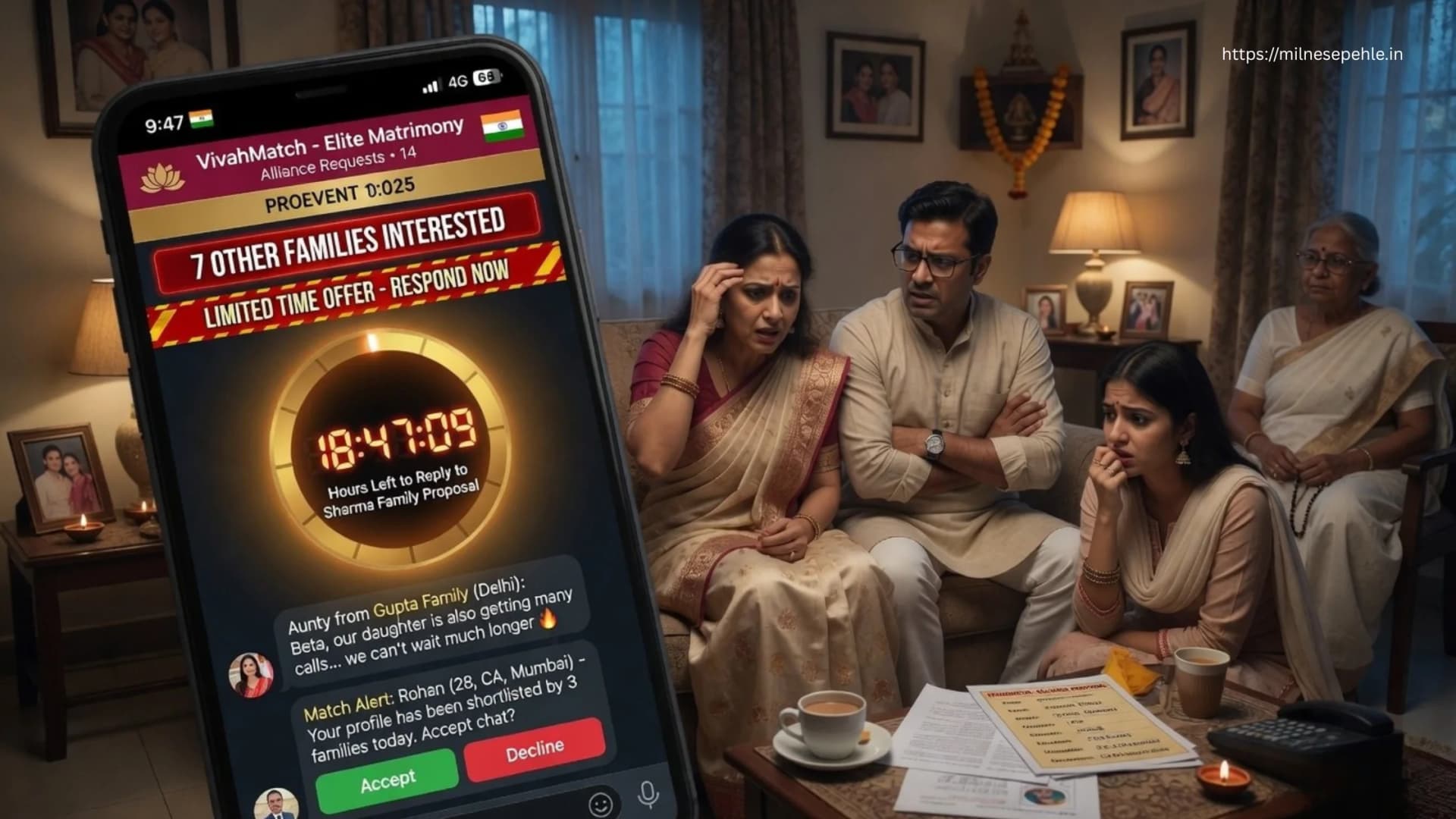
The psychology of matrimony fraud is not about victims being naive or foolish. Some of India's most educated, professionally successful families have been deceived in the matrimony process. The reason is not lack of intelligence, it is the way human psychology responds to the specific social dynamics of arranged marriage.
The Halo Effect: When First Impressions Disable Critical Thinking
When we form a positive overall impression of a person, based on their appearance, manner, or the circumstances of our first meeting, we tend to unconsciously apply that positive impression to everything about them, including claims we have not verified.
Sophisticated fraudsters invest heavily in first impressions precisely because they understand this dynamic. Documents they would scrutinise carefully for a less impressive candidate are accepted at face value.
Loss Aversion: The Fear of Missing a Good Match
'This is a very good match. We have other families interested.' 'The auspicious dates are limited, we cannot wait.' These statements activate loss aversion. The family feels the potential loss of this match more acutely than the risk of making a wrong decision. Scrutiny is reduced. The decision is rushed.
The antidote is simple but psychologically difficult: any match you would lose by taking the time for proper verification is a match you should lose.
Emotional Investment and Sunk Cost Bias
As rishta discussions proceed, multiple meetings, emotional conversations, family dinners, both families invest emotionally in the match. At this point, sunk cost bias activates: the more we have invested in something, the harder we find it to walk away, even when new information suggests we should.
Fraudsters understand this trajectory. They work to create emotional investment before due diligence is complete.
How Structural Verification Bypasses Cognitive Biases
The psychological defences described above are universal features of human cognition. The solution is to make verification structural and mutual, so it happens before emotional investment deepens.
Milne Se Pehle's self-verification model is specifically designed to work in this environment. Both families exchange certificates at the beginning of serious discussions, before the emotional investment that creates cognitive biases. The verification is mechanical, document-backed, and bilateral. It does not depend on a family's ability to detect deception under social pressure. It simply checks facts against records.
Ready to get verified?
Start with the Parichay tier at ₹9,999 — identity and criminal record verification in minutes.
Comments
No comments yet. Be the first.