How to Verify a Groom Before Marriage: The Complete Guide for Indian Families (2026)
Marriage is one of the most significant decisions a family makes. Verifying a groom before marriage is not about doubting someone, it is about making an informed decision using accurate and verifiable information.
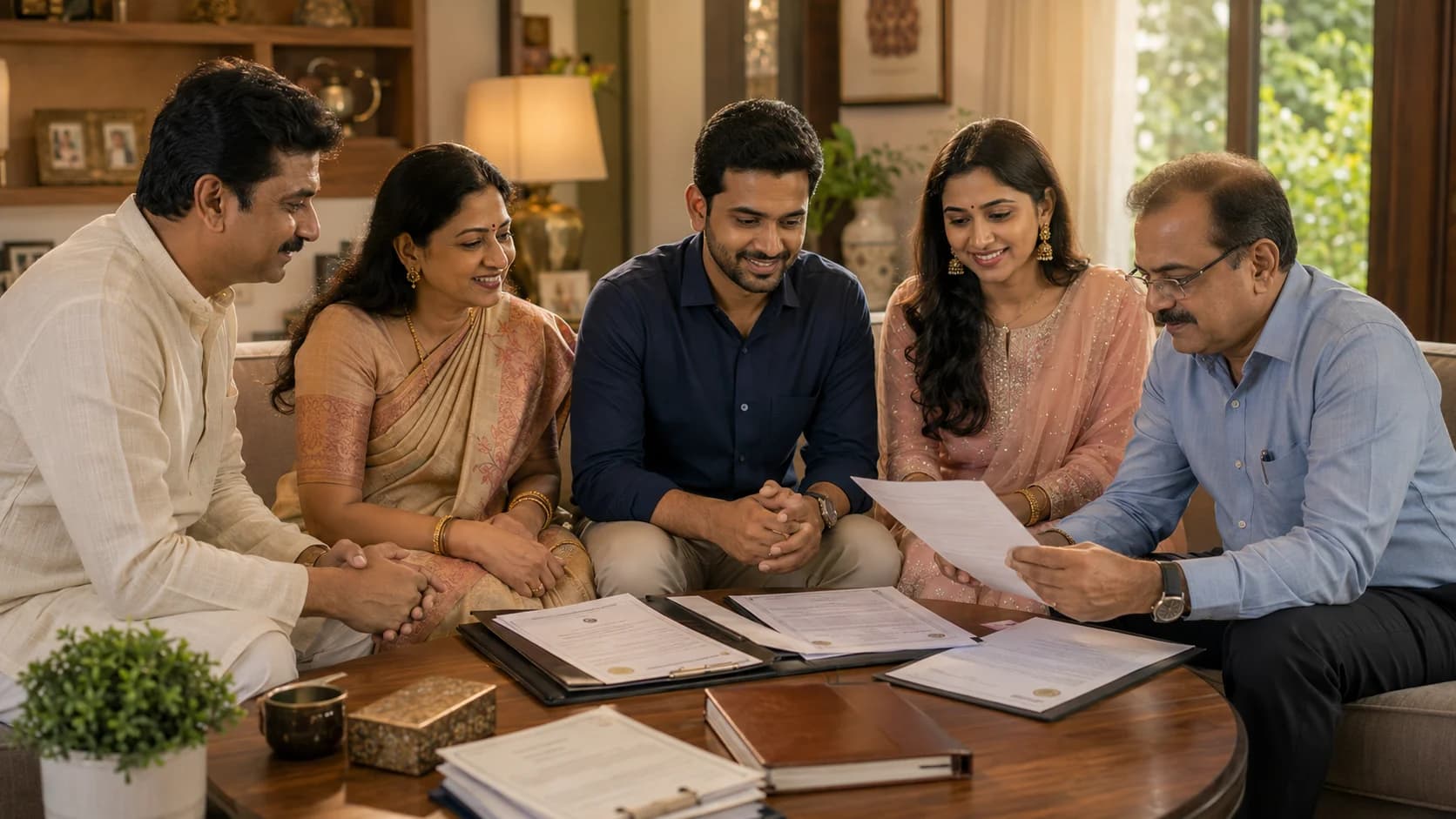
Marriage is one of the most significant decisions a family makes. In India, whether the marriage is arranged or based on mutual choice, trust is essential, but trust should also be supported by verification.
Over the last decade, families have become increasingly aware of matrimonial fraud, fake employment claims, hidden criminal records, undisclosed previous marriages, financial liabilities, and identity misrepresentation. Many of these issues come to light only after the wedding, when the emotional and financial consequences are much greater.
Verifying a groom before marriage is not about doubting someone. It is about making an informed decision using accurate and verifiable information.
This guide explains what families should verify, common warning signs to watch for, and how professional pre-marriage verification can reduce the risk of unpleasant surprises.
Why Groom Verification Is Becoming More Important
Traditionally, families relied on personal references and community networks. Today, people often meet through matrimonial websites, social media, or professional circles where independent verification is more difficult.
Information shared online can be incomplete or inaccurate, and families may unintentionally rely on assumptions instead of facts.
A structured verification process helps confirm important claims before a lifelong commitment is made.
Identity Verification
Start by confirming the groom's identity. This includes verifying full legal name, date of birth, government-issued identification, permanent address, recent photographs, and contact details.
Identity verification reduces the risk of impersonation or false identities, a more common problem than most families expect.
Employment Verification
Employment is one of the most commonly misrepresented areas. Confirm the current employer, job title, employment duration, work location, and whether the professional profile is consistent across platforms.
Avoid relying only on visiting cards or social media profiles. Salary slips and employer letters can also be forged, formal verification is more reliable.
Education Verification
Academic qualifications often influence marriage decisions. Verify degrees, universities, graduation year, and professional certifications.
This helps identify exaggerated or false educational claims, which are common in matrimonial contexts where educational qualifications are often a key factor in the match.
Marital Status
One of the most important checks is confirming the groom's current marital status. Families should ensure there are no undisclosed marriages or divorce-related issues that could materially affect the decision.
Undisclosed previous marriages are among the most serious and legally significant misrepresentations in matrimonial fraud cases in India.
Criminal Background
While not every dispute indicates wrongdoing, serious criminal matters are important considerations. India's eCourt records spanning 3,300+ districts are publicly accessible and can reveal pending cases, FIRs, and past convictions.
Families may wish to understand whether there are significant criminal proceedings relevant to the decision before committing to the marriage.
Financial Stability
Discuss financial matters openly. Important topics include existing loans, major liabilities, bankruptcy history, and whether lifestyle is consistent with claimed income.
Credit reports from CIBIL and CRIF can reveal active loans, overdue payments, and debt-to-income situations that may not be disclosed voluntarily.
The goal is transparency rather than judgment. Financial misrepresentation is one of the leading causes of post-marriage conflict in India.
Family Background
Marriage often brings two families together. Understanding family dynamics, responsibilities, and expectations can help both sides make informed decisions.
In arranged marriages especially, family background verification helps ensure that information shared through intermediaries or matrimonial platforms is accurate.
Common Red Flags to Watch For
Be cautious if you notice patterns such as reluctance to answer basic questions, pressure to finalize the marriage quickly, frequent inconsistencies in personal information, avoiding family interactions, refusal to verify employment or education, unexplained financial secrecy, or multiple conflicting online profiles.
A single concern does not necessarily indicate dishonesty, but repeated inconsistencies deserve careful attention. Genuine people rarely have difficulty answering straightforward questions about their lives.
Questions Every Family Should Ask
Before proceeding, consider discussing: Where do you currently work? Can you explain your career history? Have you ever been married before? What are your long-term financial goals? Are there existing loans or financial commitments? Where do you plan to live after marriage? What are your expectations regarding family responsibilities?
Open communication often prevents misunderstandings later. How a person responds to these questions, not just what they say, can be informative.
Arranged Marriage vs Love Marriage
Background verification is valuable in both situations. In arranged marriages, it helps confirm information provided through introductions or matrimonial platforms. In love marriages, it can help clarify aspects of employment, financial commitments, or other important details that may not have been discussed in depth.
Verification should be viewed as due diligence, not distrust. Many couples find that going through verification together, with full transparency, actually strengthens trust rather than undermining it.
How Professional Verification Helps
Professional pre-marriage verification can assist with confirming information through lawful and ethical processes. Typical areas include identity confirmation, employment verification, education verification, address verification, publicly available court records, and consistency checks across shared information.
Platforms like Milne Se Pehle make this process consent-based: the person being verified initiates it themselves, shares the result, and retains control over who sees it. This shifts the dynamic from investigation to transparency.
The objective is to support informed decision-making while respecting privacy and consent.
Benefits of Verifying Before Marriage
Verifying before marriage offers greater confidence in major decisions, reduced risk of avoidable misunderstandings, better transparency between families, opportunity to resolve inconsistencies early, and more informed conversations before commitment.
Families who go through verification report feeling more settled in their decisions and better prepared for the conversations that follow.
Marriage Is Built on Informed Trust
Marriage is built on trust, communication, and informed decisions. Taking the time to verify important information before marriage is a responsible step that can help families avoid unnecessary surprises and begin a new chapter with greater confidence.
Thoughtful due diligence is not about suspicion, it is about ensuring that one of life's most important decisions is made with clarity and transparency.
When both families know what they are walking into, the marriage begins on a foundation that is not just emotional, but also grounded in verified reality.
Ready to get verified?
Start with the Parichay tier at ₹9,999 — identity and criminal record verification in minutes.
Comments
No comments yet. Be the first.